



Eugene Sheely

learning with play

How Gaming Prepares Us to Learn More in Life

“It turns out video games are just a Trojan horse for studying interest-driven learning” – Constance Steinkeuhler

Now here’s an ironic twist: for all those decades in which academia has been demonizing video games by claiming its taking time away from teenage reading, it now turns out gaming has become one of the main catalysts for teenage reading in boys. I’m not referring to text inside the games nor am I suggesting gamifying reading with points, badges and leaderboards either. I’m saying teenage boys involved in complex games called Massively Multiplayer Online games are taking time aside from their game play to spend hour’s deeply analyzing and creating texts whose difficulty was rated to be college level or higher by experts. Reading and writing are back!

Read More
jesse schell's four pillars

Adapt Your Gamification Designs with Jesse Schell’s Four Pillars

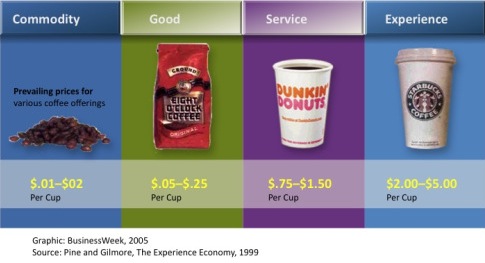
Jesse Schell describes in his brilliant book The Art of Game Design the four pillars that is comprised of a game: Technology, Aesthetics, Mechanics, and Story/Narrative. When gamifying a process it is smart not to overlook any of the pillars. After all, we’re now in the experience economy and Gamification might be your killer app when enhancing customer or employee engagement:

Experience economy edit

A major difference with designing a game and gamifying a process is that a game designer tends to start from scratch. A gamification process already has a group of people, a corporate culture, a company brand etc. When gamifying, don’t be too idealistic, but become more pragmatic instead. Work with the materials you have and build something from there, don’t focus first on a vision and then try to make the world fit to it. Be like the chef that can make a great meal from random ingredients in the kitchen, not the recipe book user that will fail when an ingredient is not available.

Read More
what critics don't understand about education in gamification

What Critics Don’t Understand About Gamified Education

Critics of gamified education always seem to miss some major points:

  1. Gamified education is much more than making mundane activities like work and study fun
  2. What makes a game fun is constant learning
  3. Not all gamified activities are fun, but they’re engaging
  4. Gamified education is the best way to leverage our new technologies to gain the necessary skills and knowledge in the information age

Gamified education should be advocated for its most practical reason: It’s the best method we know on how to organize learning environments to increase knowledge in both diversity and density. Gamified education is not merely an improvement from the current traditional educational model; it’s a completely new innovative way of learning.

Read More