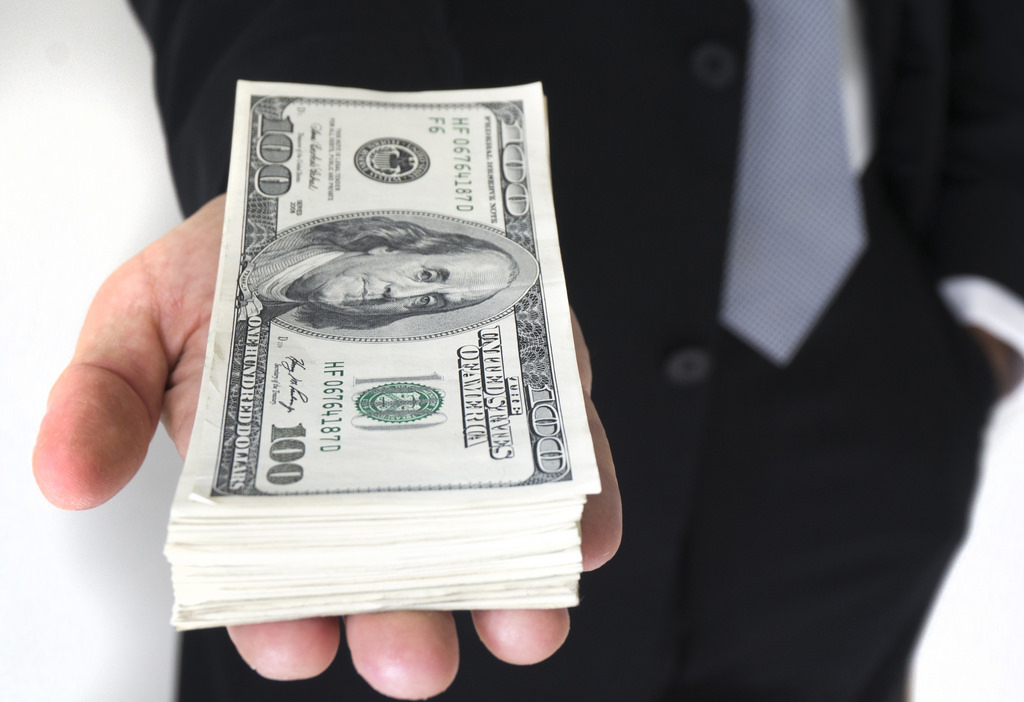



It’s not just the US dollar that’s feeling the pinch of inflation – loyalty programs too have been increasingly caught in a spiral of “less for more”. Though it’s a lot more frustrating to see your cash balance erode at the gas pump or supermarket, it’s also problematic when something you’ve been saving up for for years (e.g. a large trip paid with miles) suddenly becomes unattainable or materially more expensive. On average, each American belongs to 16.7 loyalty programs, and the value of unused points is well over $100Bn, so we are individually and collectively very exposed to shifts in the loyalty program “meta-economy.”
If loyalty programs and users want to avoid the pitfalls of loyalty program inflation and devaluation, gamified approaches may hold critical answers. This is a short series on the topic, with a few different lenses for considering gamified design as an alternative way of creating engagement without devaluation.
We’re Back to the Punch Card
Loyalty programs operate large virtual currency systems, not unlike national currencies or massive online games. In fact, the biggest games and loyalty programs even employ economists to help them manage their currencies and keep the economy in balance. That means, they need to match the inflows (issuance) of points with the desired outflows (redemptions) of points to ensure that the game everyone is playing has consistent patterns.
Unlike some national currencies perhaps, loyalty program economies tend to “redeem” into fiat money at some point, meaning they must watch the relative value of their currency to the USD at all times. Games, and gamified loyalty programs that adhere to my SAPS model don’t worry as much about the USD equivalent because they don’t rely as heavily on cash redemptions. But still, the USD “exchange rate” is a key indicator that most currencies watch.
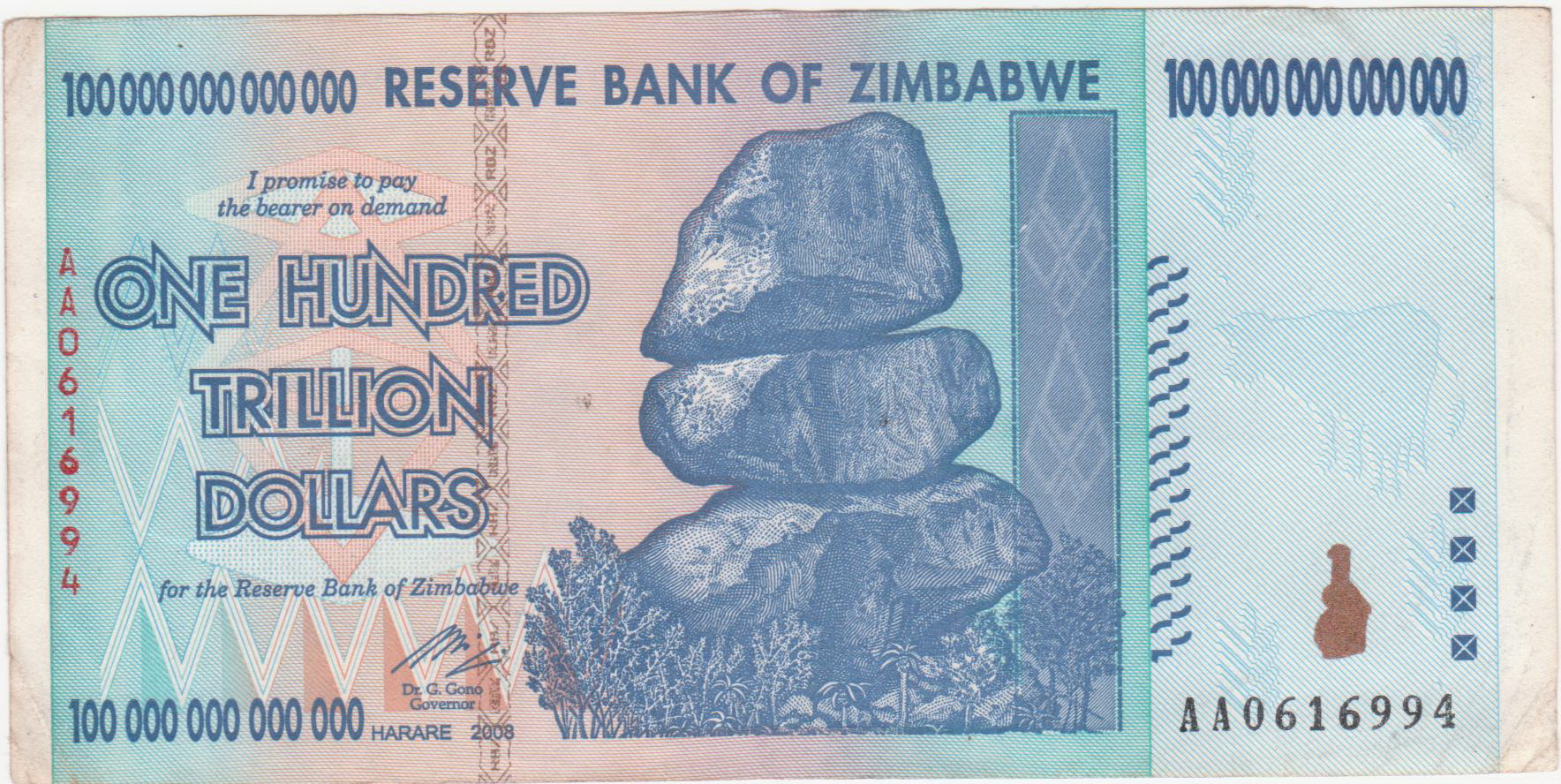
When faced with too much money chasing too few redemptions – or when they simply want to reduce the points liability on their books – loyalty program executives will make the decision to devalue their currencies. This is the same last-resort thing national monetary boards do when inflation gets out of control with a fixed-redemption currency and they can’t stop it. Countries like Argentina, Israel, Zimbabwe and others have devalued their currency several times in history.
Before the broad application of gamification and behavioral science to the loyalty experience, such devaluations were much more concrete and broadly known. Redemption rates were expressed in tables that any user could see. Much like a simple buy-10-get-one-free card at your local coffee shop, fixed redemption loyalty meant that any change in the rate of redemption was immediately obvious to the consumer and could trigger an instant backlash.
Today, large loyalty programs use a more variable kind of redemption. Simply, the number of points needed to redeem for something is variable and dynamic, making it much harder for the consumer to figure out whether or not the currency has been devalued. Moreover, the dynamic currency model allows loyalty programs to vary the cost of redemptions in a way that might soften the blow and improve its economics.
For example, in United’s Mileage Plus loyalty scheme, the table redemptions used to be:
All domestic coach awards each way: 12.5K
All international partner business awards to Europe: 60K
Now, they are:
Domestic coach awards each way: 6K → 50K
International partner business awards to Europe: 88K
In effect, some redemptions are now 300% more, some are 30% more and some are 50% less. When multiplied across all the different redemption categories, it creates a “fog” for most users about whether or not their savings have been devalued. Unless you’re actively watching a category of redemption when the devaluation happens, or reading travel/loyalty blogs, you might not even have noticed.
What these programs then do is offer “sales” that bring the redemption down to near the previous cost level. Sound familiar? This is the classic supermarket loyalty card strategy. It works, but at the cost of hooking the consumer on the idea of only buying things on sale.
At the same time, many loyalty programs have shifted to a ratio redemption model. In ratio redemption, the loyalty currency has a fixed relationship to the USD, and whatever the price of the item is, the loyalty points can be redeemed at that ratio. So if a point is worth $0.01, and the item is $1000, it will cost 100,000 points to redeem. The supposed benefit of this system is that dynamic pricing effort in USD will populate automatically to the loyalty currency, ensuring that earn/burn choices are always in alignment with the bottom line.
The Downsides:
- Punch Card Mechanics. Users are more aware of the relationship between earning and redeeming, and changes will be much more noticeable.
- Downside Pricing. Because the price of most travel/rewards has been going up, programs haven’t been thinking clearly about what happens when USD-pegged loyalty redemptions go down in real price (or rise more slowly) under deflationary conditions. Under that scenario, programs will no longer be able to extract additional cash revenue when USD prices go below loyalty redemptions. Moreover, when cash prices decline but loyalty prices don’t, consumers using their points contribute to improved margin for programs. This will not be the case under such variable program models (unless they devalue again)..
- Regulation. As the currencies thus become closer to the USD, they come ever closer to being regulated more strictly. Much of the effort put into regulating cryptocurrencies may find itself focused on loyalty, and US regulators have already proposed some new anti-devaluation measures for programs (that appear to have been nonetheless put on hold for now).
- Sense of Rising Prices. Though rising prices may cause people to redeem more, it also erodes the sense of trust in the value of the currency, making it less attractive to hold. If loyalty currency is not a good “investment”, then alternate models (e.g. cash back or other programs) are more attractive, and will receive more investment.
- Consumer Engagement/Game Behavior. If everything is expected, then the game doesn’t really feel like fun. Inevitably, programs will try to re-engage consumers through promotions and discounting which…leads them back to the whole thing the program was supposed to help counteract in the first place.
Arguably, the most powerful tool in the gamified loyalty program arsenal was always the point system. The “fog of points” and the complex relationship between earning and redeeming was a core piece of what made the game fun. The user has to feel like the redemptions were a great value and forget the hassle of earning. It’s more complex to manage yield across several currencies, to be sure, but ultimately worth it if the goal is to get consumers to have a strong preference for one brand over another and to make irrational decisions to collect points/engage with the game.
So how can programs counteract this effect while still simplifying their point systems? The answer lies with gamified approaches that compensate for weakened point effects.
Gamified Alternatives
- More Creative. Out of the box thinking, new ideas and approaches, and creative concepts that capture attention. Of course, these programs will need to be more bespoke and less repetitive to have the same effect.
- More Surprising: Programs will need to lean more heavily on surprise and delight with unusual approaches in order to keep attention.
- More Slot Machine-y: Operant features that deliver variable rewards like slot machines and loot boxes will become increasingly important in getting and keeping attention and loyalty.
- More Program within a Program: more and more of these V(VVV)IP tiers will need to be defined and executed, creating stratification that delivers extraordinary benefits to a smaller and smaller group of people, even less linearly.
- More User Generated & AI-heavy: Historically programs have shied away from user generated content and and have not invested heavily in AI approaches. But from program design to recognition and challenges, both user generated content and AI can help extend the engagement lifecycle of a program with lower costs when the point system doesn’t pay.
- More Competitive: historically programs have shied away from direct competition, or done it half-heartedly. The future looks increasingly like competition will play a major role in loyalty design.
Interestingly, as loyalty programs have chosen to self-inflict the wounds of a devalued and overly rigid point system, they need to embrace more of the sophisticated engagement strategies of games to get and keep user engagement.
There has never been a more important time for gamification in loyalty.
Keep reading in this series to look more closely at what the future of loyalty holds, and how gamification creates ever more unique opportunities to scale up customer engagement. We’ll break down each of the above counteraction concepts and explain how they can be applied to contemporary loyalty approaches.