



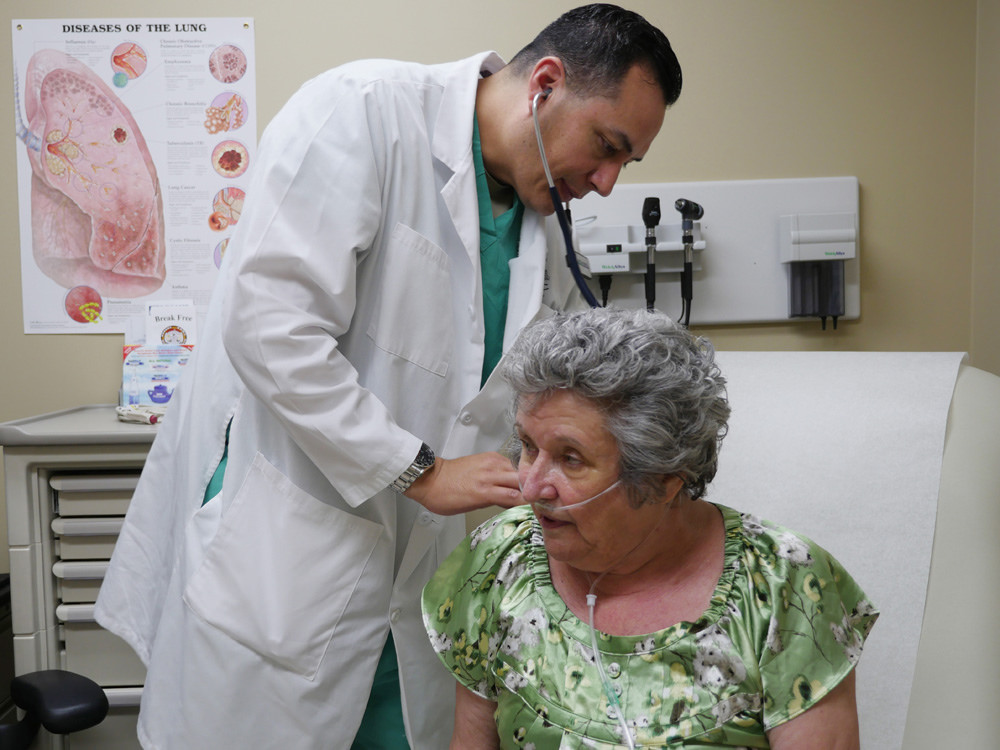
Video Games Research Turns Into Physical Therapy for Stroke Patients

There are two schools of thought on the best way to help regain the muscle movement and dexterity lost by those who suffer a stroke. Some people believe that patients should not move at all unless in the presence of a physical therapist, according to David Putrino, director of telemedicine and virtual rehabilitation at the Burke Medical Research Institute. But the other, diametrically opposite view, holds that a stroke patient should move as much as possible. Putrino subscribes to the latter view and he found medical evidence to support that position. Dabbling with games in health care, he developed a video game with applications in physical therapy for stroke patients.
Read More

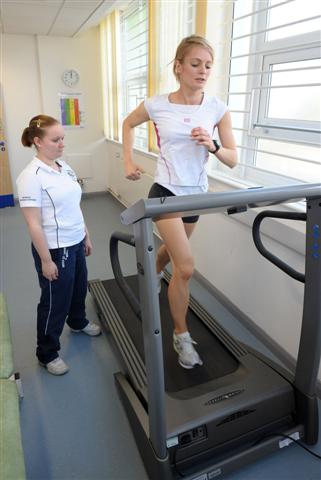
Gabarello: Immersive Gamified Physiotherapy Tool for Children

Innovations in the video game industry over the last several years have not only made for high hopes in creating the better gamification of rehabilitation exercises but could also bring those innovations into homes. Games like Gabarello for the Lokomat designed in combined efforts by the Zurich University of the Arts, the University Children’s Hospital Zurich, and the Institute for Neuropsychology and Sensory Motor Systems Lab created opportunities for children and perhaps now adults with lower body motor skill loss. If gamification can help patients improve their mental outlook and physical capabilities, then this method of rehabilitation should incorporated whenever possible.

Read More

SCRIPT Helps Stroke Patients Recover with Physical Therapy Games

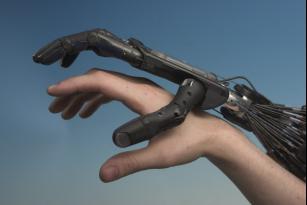
A stroke can result in devastating injury, such as impediments to speech and muscle movement. Survivors of stroke must go through physical therapy to rebuild their muscles and regain the ability to use their hands. This therapy can be productive, leading to restored hand function. While these exercises are helpful, they are not all that interesting. Many patients say that they find them repetitive and boring. But a new medical device that facilitates muscle movements in conjunction with computer games is showing potential as a new application of games in health care.

Read More