
Growing Conservation Awareness with Save the Park

Yellowstone National Park is one of the most popular of the nation’s 409 national parks, drawing visitors from across the country and around the world. But not everyone who visits Yellowstone understands the wildlife that make these parks home. Recently, two well-meaning tourists driving through Yellowstone came upon a baby bison standing in the middle of the road. Fearing that the calf was cold and at risk of dying from exposure, they packed the bison into their SUV and drove it to a ranger station seeking help, according to Time. That was a mistake.
Read More

Gamifying Driving Safety With Mobile App TextNinja

While automobiles have been part of the American landscape for a century, mobile phones only started becoming commonplace about 15 years ago. Today, the pairing of the two products forms a dangerous combination leading to distracted driving, and in far too many cases, car accidents. TextNinja, a gamification startup is trying to overcome the problems caused by the collision of these technologies with a new technological solution: a mobile app that helps keeps drivers’ focus where it belongs – the road.

Read More

Incentivizing Water Conservation With Gamification Startup Oasys

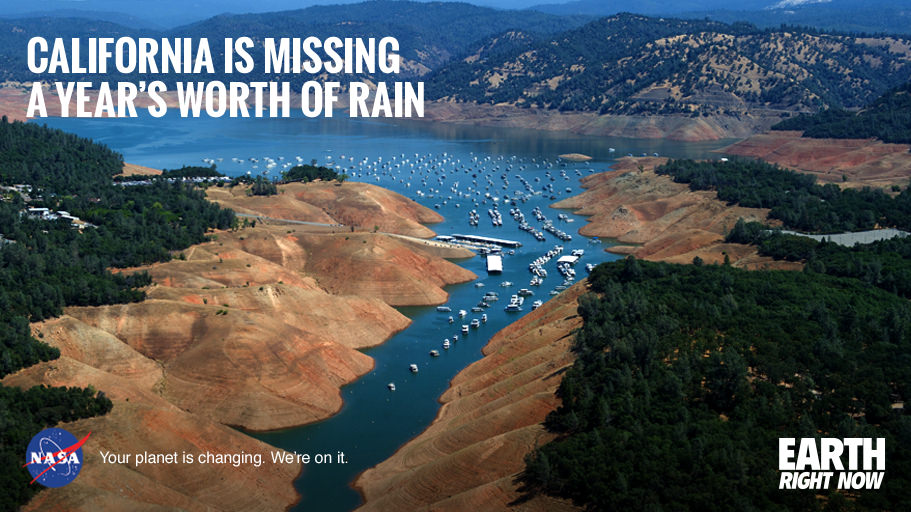
With much of the West Coast mired in a years-long drought, it’s hard to get away from the stream of messaging about water conservation. But much of that messaging doesn’t get through. Many people still use (and unfortunately waste) water in the same way that they did when water was abundant. A gamification startup called Oasys has a developed a device that aims to help homeowners understand just how much water they use.

Read More

GeoQ: Game Based Training Tool For First Responders

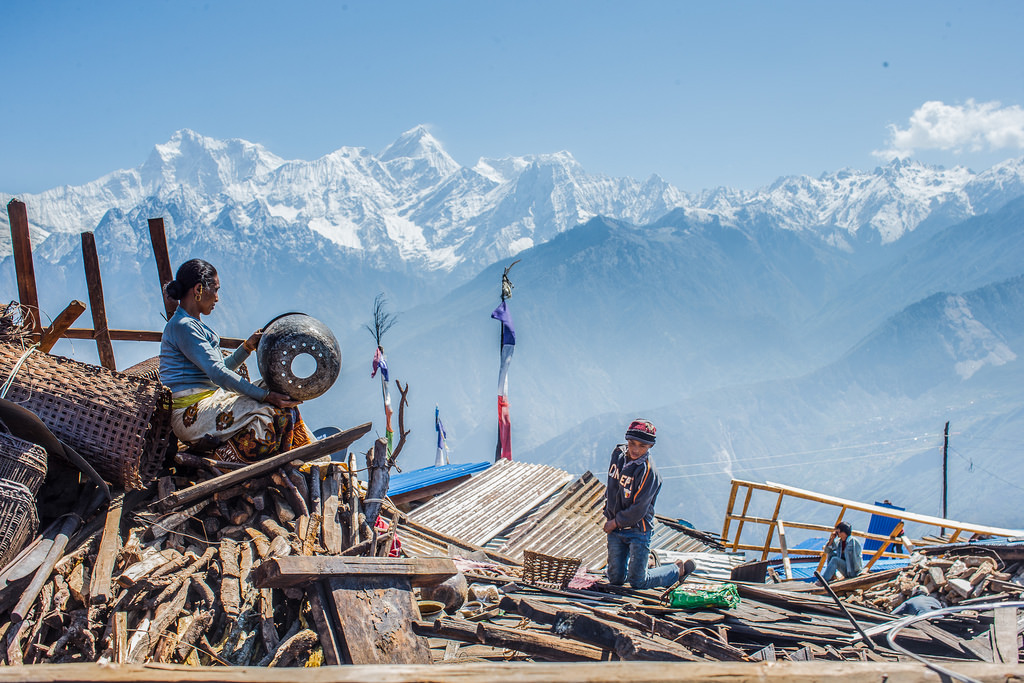
Few environments present training challenges more difficult than those encountered in disaster management. The elements of any particular disaster – including location, severity, duration, the extent of damage to infrastructure, and existence of any continuing threat – are unique. Even so, and regardless of the exact nature of the event, one thing is certain: public agencies and first responders need immediate access to accurate data regarding conditions in precise locations. That not only allows the correct first responders to be deployed to the places where they can have the most impact, but it also reduces the confusion inherent the same conditions being reported by different people in different media.

Read More