The power of STEM and Intrinsic Gamification Successful people in every domain seem to have an intrinsic love for their profession. This love creates a lifelong engagement in their careers, constantly learning and expanding their skills and expertise. As game designer Raph Koster said about fun, “Fun is another word for learning.” Yet can we…
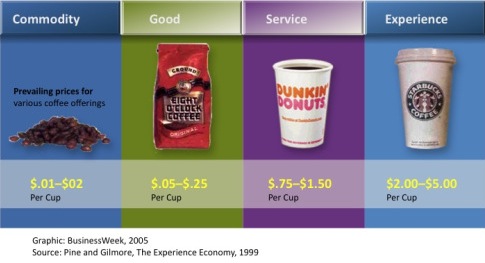
Jesse Schell describes in his brilliant book The Art of Game Design the four pillars that is comprised of a game: Technology, Aesthetics, Mechanics, and Story/Narrative. When gamifying a process it is smart not to overlook any of the pillars. After all, we’re now in the experience economy and Gamification might be your killer app when enhancing customer or employee engagement:
A major difference with designing a game and gamifying a process is that a game designer tends to start from scratch. A gamification process already has a group of people, a corporate culture, a company brand etc. When gamifying, don’t be too idealistic, but become more pragmatic instead. Work with the materials you have and build something from there, don’t focus first on a vision and then try to make the world fit to it. Be like the chef that can make a great meal from random ingredients in the kitchen, not the recipe book user that will fail when an ingredient is not available.
Zombie Technologies are real. If you’re a software developer, a Zombie Technology (ZT) is that old technology you used long ago to create yesterday’s awesome solutions. Yesterday’s glory is a memory, yet the product lives on and it’s using a ZT.
I am leading an internal employee engagement enhancement project to make the conversion of old zombie technologies to new technologies more fun and more likely! Normally the conversion process is inherently behind the scenes and painful. In Mary Poppins style, a spoonful of zombies helps the work go down.
If you joined us for GSummit SF 2013, then you’ve clearly seen how awesome our community is, amidst of sea of brilliant experts, food trucks, and a gamified conference experience. It is our job here at Gamification Co to proliferate the latest and greatest knowledge about the gamification industry, so we’re finally going to begin releasing all of our videos from GSummit SF 2013 over the next few weeks.
We’ll be posting each of the new releases on our blog but if you want to get each of them immediately, be sure to subscribe to our YouTube channel to get each video as they come.
To kick off the first video we’re releasing, we want to share a story about engaging audiences with a real sense of purpose. Jeremy Heimans, Co-Founder and Chief Executive Officer of…Purpose, shares his story about using narrative storytelling to transform engagement for corporations, non-profits and citizens with integrity and purpose.
Stay tuned as we release more videos every week! Also, if you’re interested in seeing a particular speaker on GSummit, sound off in the comments below!
Every week until GSummit SF 2013, we’ll be unlocking some special content from last year to give you a preview on what to expect this April 16 – 18.
Jon Radoff, CEO of DisruptorBeam, explains what problems gamification can appropriately solve and how games are unique in that regard:
To see more expert gamification videos, visit our Video page or Subscribe to our YouTube channel! Learn the latest in gamification by going to GSummit SF 2013. Register now!
Do you need story in gamification? Today’s edition of Gamasutra carried an interesting article about legendary game designer Shigeru Miyamoto’s opinion about the role of story in his upcoming game, Super Paper Mario. The gist is that consumers appear to favor great gameplay over deep narrative, leading the development team to question its raison d’etre….