Gamifying Open and Closed Systems

Tailor Gamification to Different Types of Systems Understanding systems theory is crucial for designing successful educational and enterprise projects. There are two basic types of systems: open and closed. Closed systems are relatively stable, highly constrained and consist of repetition. In business, an example of such systems is manufacturing. Engineering metaphors work in these systems. Efficiency and…

Read More
will wright gsummit

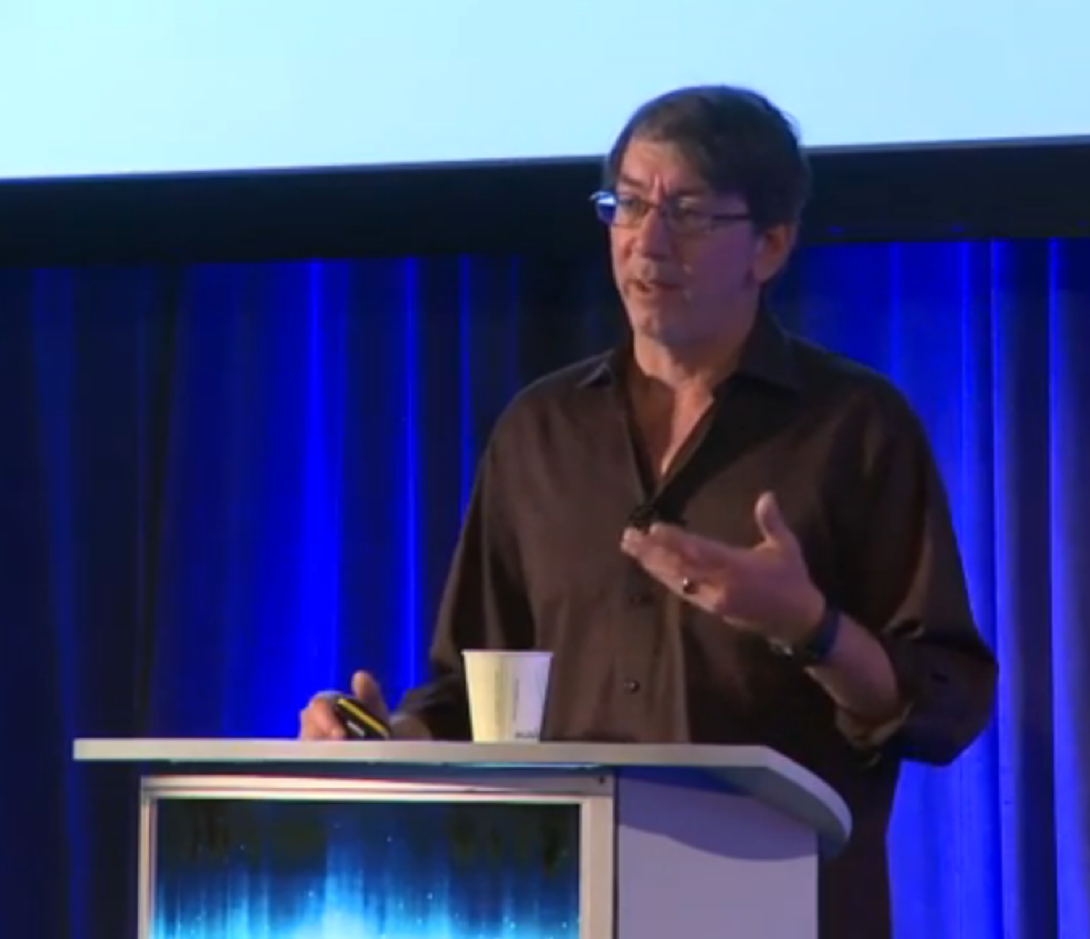
Will Wright on Gamifying the World: From SimCity to the Future

One of the most phenomenal experiences of GSummit SF 2013 happened with Will Wright’s keynote talk. As the creator of SimCity and countless other games and simulations, Wright’s talk goes deeply into games’ and their effect on us as humans in society and what that means for gamification in the grand scheme of things.

He touches on the lessons can we take from games — and decades of experience designing for fun — to create engagement for large audiences with complex models and issues? How can we make simple everyday interactions more compelling and use them as teachable moments to energize society? Can everything really be fun — and what are the secrets for balancing detail and simplicity? Check out Will Wright’s full talk as he re-imagines how the world becomes a more fun and engaging place, sharing his vision for the future and powerful design insight.

Be sure to subscribe to our YouTube channel to get our latest gamification videos and talks. You can also download a copy of this presentation by downloading it here.

Read More
jesse schell's four pillars

Adapt Your Gamification Designs with Jesse Schell’s Four Pillars

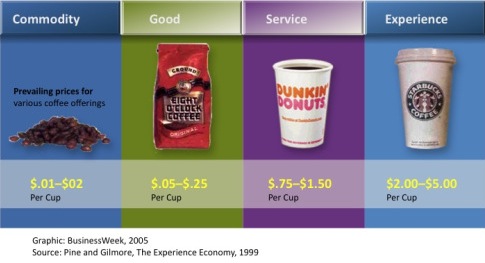
Jesse Schell describes in his brilliant book The Art of Game Design the four pillars that is comprised of a game: Technology, Aesthetics, Mechanics, and Story/Narrative. When gamifying a process it is smart not to overlook any of the pillars. After all, we’re now in the experience economy and Gamification might be your killer app when enhancing customer or employee engagement:
Experience economy edit

A major difference with designing a game and gamifying a process is that a game designer tends to start from scratch. A gamification process already has a group of people, a corporate culture, a company brand etc. When gamifying, don’t be too idealistic, but become more pragmatic instead. Work with the materials you have and build something from there, don’t focus first on a vision and then try to make the world fit to it. Be like the chef that can make a great meal from random ingredients in the kitchen, not the recipe book user that will fail when an ingredient is not available.

Read More