tim kring

Redefining Story for Transmedia in the Gamification Era

It used to be enough just to give consumers 22 minutes of quality content, once a week, year after year, to be successful. Today, media consumption has dramatically changed. Where TV used to be the distraction, now viewers use second and third screens – a distraction from the distraction. This change, both demographic and technological, forces us to reimagine the nature of storytelling and narrative in an unprecedented way.

Viewers today want to lean forward (and you need them to), become part of the action, engage with characters and each other in new and exciting ways, and shape the outcome. But how do we do this without ceding total control to the audience and reducing the main reason they “pay” to be with us in the first place?

Join Tim Kring, Transmedia expert and creator of the blockbuster TV programs Heroes and Touch, as he shares his insights about how to tell stories in this new lean-forward era that consumers are willing to pay for with time and money.

Watch Tim’s full GSummit SF 2013 video below and be sure to subscribe to our YouTube channel to get the latest videos from GSummit SF 2013 as they’re released. You can also download a copy of this presentation by downloading it here.

Read More
jesse schell's four pillars

Adapt Your Gamification Designs with Jesse Schell’s Four Pillars

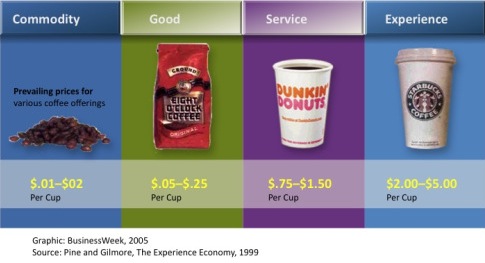
Jesse Schell describes in his brilliant book The Art of Game Design the four pillars that is comprised of a game: Technology, Aesthetics, Mechanics, and Story/Narrative. When gamifying a process it is smart not to overlook any of the pillars. After all, we’re now in the experience economy and Gamification might be your killer app when enhancing customer or employee engagement:

Experience economy edit

A major difference with designing a game and gamifying a process is that a game designer tends to start from scratch. A gamification process already has a group of people, a corporate culture, a company brand etc. When gamifying, don’t be too idealistic, but become more pragmatic instead. Work with the materials you have and build something from there, don’t focus first on a vision and then try to make the world fit to it. Be like the chef that can make a great meal from random ingredients in the kitchen, not the recipe book user that will fail when an ingredient is not available.

Read More
zombie technology

The Zombie Technology Elimination Project: Gamifying The Destruction of Old Software

Zombie Technologies are real. If you’re a software developer, a Zombie Technology (ZT) is that old technology you used long ago to create yesterday’s awesome solutions. Yesterday’s glory is a memory, yet the product lives on and it’s using a ZT.

I am leading an internal employee engagement enhancement project to make the conversion of old zombie technologies to new technologies more fun and more likely! Normally the conversion process is inherently behind the scenes and painful. In Mary Poppins style, a spoonful of zombies helps the work go down.

Read More

GSummit 2012 Behind the Scenes: Jon Radoff on the Power of Gamification

(10/26 Gamification Expert Interviews Unlocked)

Every week until GSummit SF 2013, we’ll be unlocking some special content from last year to give you a preview on what to expect this April 16 – 18.

Jon Radoff, CEO of DisruptorBeam, explains what problems gamification can appropriately solve and how games are unique in that regard:

To see more expert gamification videos, visit our Video page or Subscribe to our YouTube channel! Learn the latest in gamification by going to GSummit SF 2013. Register now!

Read More