The Winner Effect: How Success Affects Brain Chemistry

There’s a very interesting phenomena in biology I’ve been wanting to link to gamification called “the winner effect.” When any animal, from fish to humans, wins a contest, they have a large release of testosterone and dopamine in the brain. Over time this changes their brains structure and chemical makeup, making them more confident, smarter, and able to take on larger challenges than before.

Read More
chess praxis

Why Praxis and Play Matter for Practical Learning

Aristotle believed there was two types of intelligence. One is translated as “theoretical wisdom”, which refers to book smarts, and the other is “practical wisdom”, which refers to the ability to apply theoretical wisdom into action. Aristotle gives an example of a student learning geometry: this student will come out of school with theoretical wisdom, but must also learn to apply it into the real world. An example would be to carry out a work of architecture with the geometry he learned in school. We need both of these intelligences to be functional; Praxis gives you this.

Read More
narrative in gamification

Embracing Paradoxes and Narratives in Education

How Gaming Keeps Us Learning for Longer “In the realm of strategy, only contradiction and paradox work. Common sense and straightforward linear logic always fails” – Edward Luttwak According to Charles Handy, success belongs to those who learn to embrace complexity by reconciling the contradictions of this world. Gabe Zichermann gives an example of these contradictions with…

Read More
jesse schell's four pillars

Adapt Your Gamification Designs with Jesse Schell’s Four Pillars

Jesse Schell describes in his brilliant book The Art of Game Design the four pillars that is comprised of a game: Technology, Aesthetics, Mechanics, and Story/Narrative. When gamifying a process it is smart not to overlook any of the pillars. After all, we’re now in the experience economy and Gamification might be your killer app when enhancing customer or employee engagement:
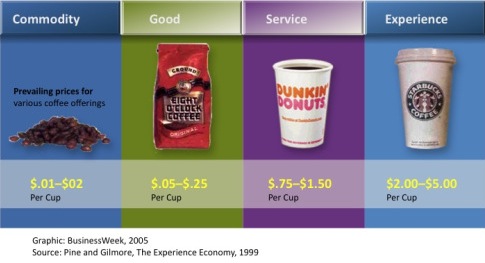
Experience economy edit

A major difference with designing a game and gamifying a process is that a game designer tends to start from scratch. A gamification process already has a group of people, a corporate culture, a company brand etc. When gamifying, don’t be too idealistic, but become more pragmatic instead. Work with the materials you have and build something from there, don’t focus first on a vision and then try to make the world fit to it. Be like the chef that can make a great meal from random ingredients in the kitchen, not the recipe book user that will fail when an ingredient is not available.

Read More