
Gamifying Home Energy Management with Homebeat

When summer temperatures spike and air conditioners run full throttle, the demand for electricity strains the power grid. Utilities try to manage these peak times of power demand with an approach called demand response: industrial users and residential customers are encouraged to cut back on their power use to ease the load on the grid. But it’s not enough to ask people to curtail their electricity use. Customers need incentives. That’s where energy analytics company Bidgely enters the picture.

Read More

MOBA’s Promote Teamwork While Disparaging Negativity

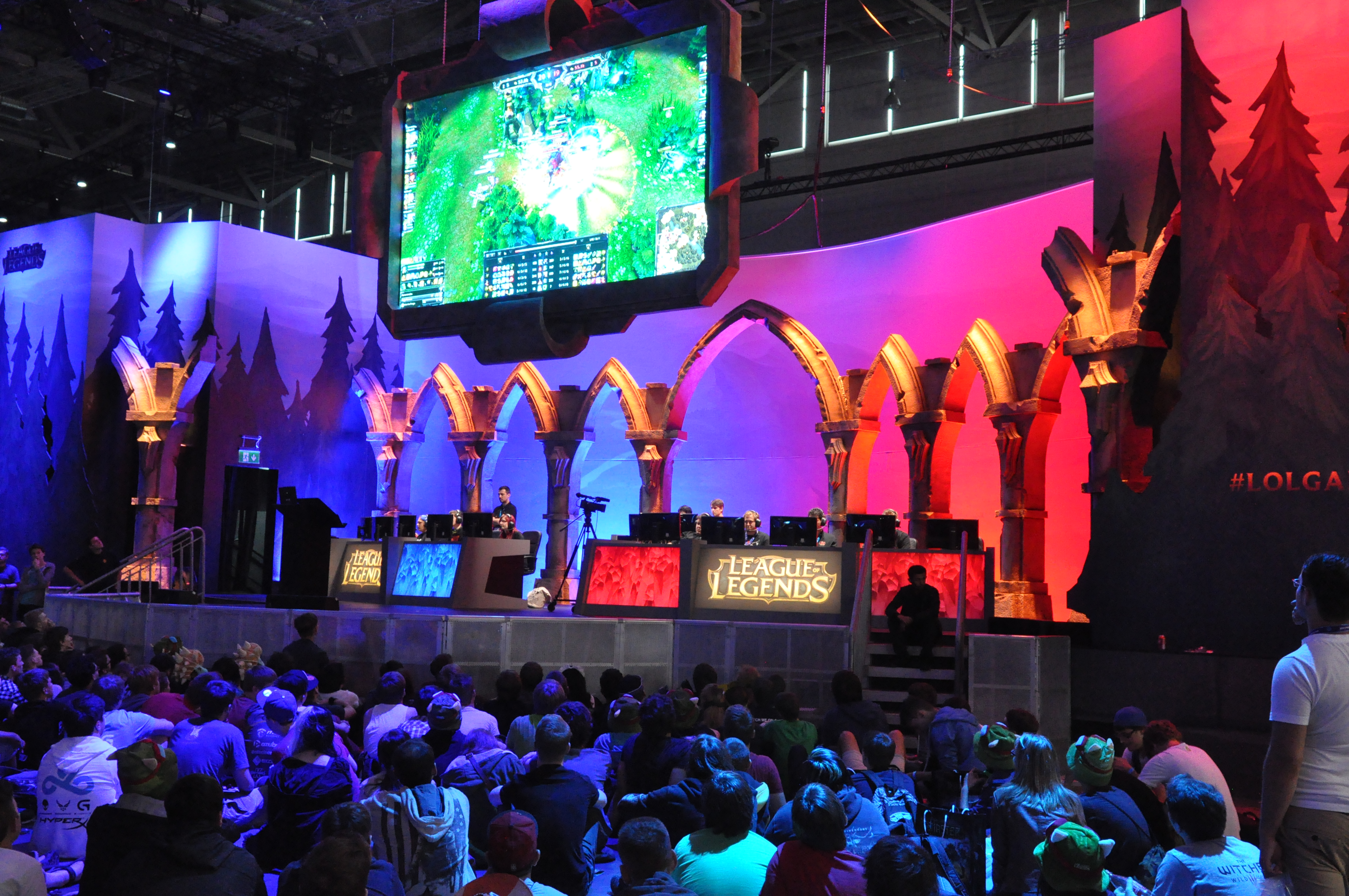
For those unfamiliar with the term”MOBA”, it may be time to take notice of one of the fastest growing phenomenon within the gaming industry. MOBA’s, or Massively Online Battle Arenas, have greatly surpassed other popular gaming genres to become the most played games on the PC platform. This shift in the trends of PC players began in 2012 with the game title League of Legends, which has retained its throne ever since; with other MOBA’s such as DotA 2 and Smite creeping into the top ten as well. These types of games have become so popular that they are selling out seats at large venues as well as being covered by major sports networks like ESPN.

Read More

Shifting Commuting Habits with BART’s Experimental Loyalty Program

Anyone who takes the subway on a daily rush hour commute understands the experience of being jostled on crowded platforms and crushed inside packed trains. Now one transit system is trying a novel approach to easing the commuting crunch. The San Francisco Bay Area’s BART system is rolling out an experimental customer loyalty program that aims to entice riders to shift their travel outside of peak commute times.

Read More

5 Examples Gamification in Consumer Engagement Space

The gamification market is estimated to be worth about $2.8 billion, having increased 10 fold over 3 years. Widely used in staff training or education, there is now a growing trend toward adding gamification to drive consumer engagement and loyalty. The online environment vastly increases the possibilities for the use of gaming to engage customers . You can turn your instructions into simulations that can demonstrate your products. Virtual tours have become popular for the travel industry and real estate industries. Virtual environments can also apply to the use of products. Customers can try products in a virtual environment and be rewarded for their efforts.

Read More

CataBoom: Sparking Brand Loyalty with Rewarding Games

Consumers aren’t exactly brand loyal as they were years ago. Consumers evaluate how a product or service benefits them on multiple levels. They are savvy buyers and have access to a lot of information to help them make their choice. A Texas-based company called CataBoom offers tools to integrate reward-based games in marketing campaigns. Through gamification, consumers discover new ways to benefit from engaging with a brand.

Read More

Gamifying Sexual Health with OhMiBod’s Lovelife Krush

The smart people at OhMiBod may have ushered in a serious game revolution with the release of their new wearable device, Lovelife Krush. “It’s the gamification of sexual health,” declared OhMiBod’s co-founder, Brian Dunham, to CNBC’s Chris Morris as they discussed his product fetching one of Engadget’s top honors at this year’s Consumer Electronics Show (CES). This top honor certainly helps OhMiBod efforts to launch their new device into a Sexual Wellness market currently worth $16 Billion and forecasted, by research firm Technavio, to reach $21 Billion by 2019.

Read More
Biddl

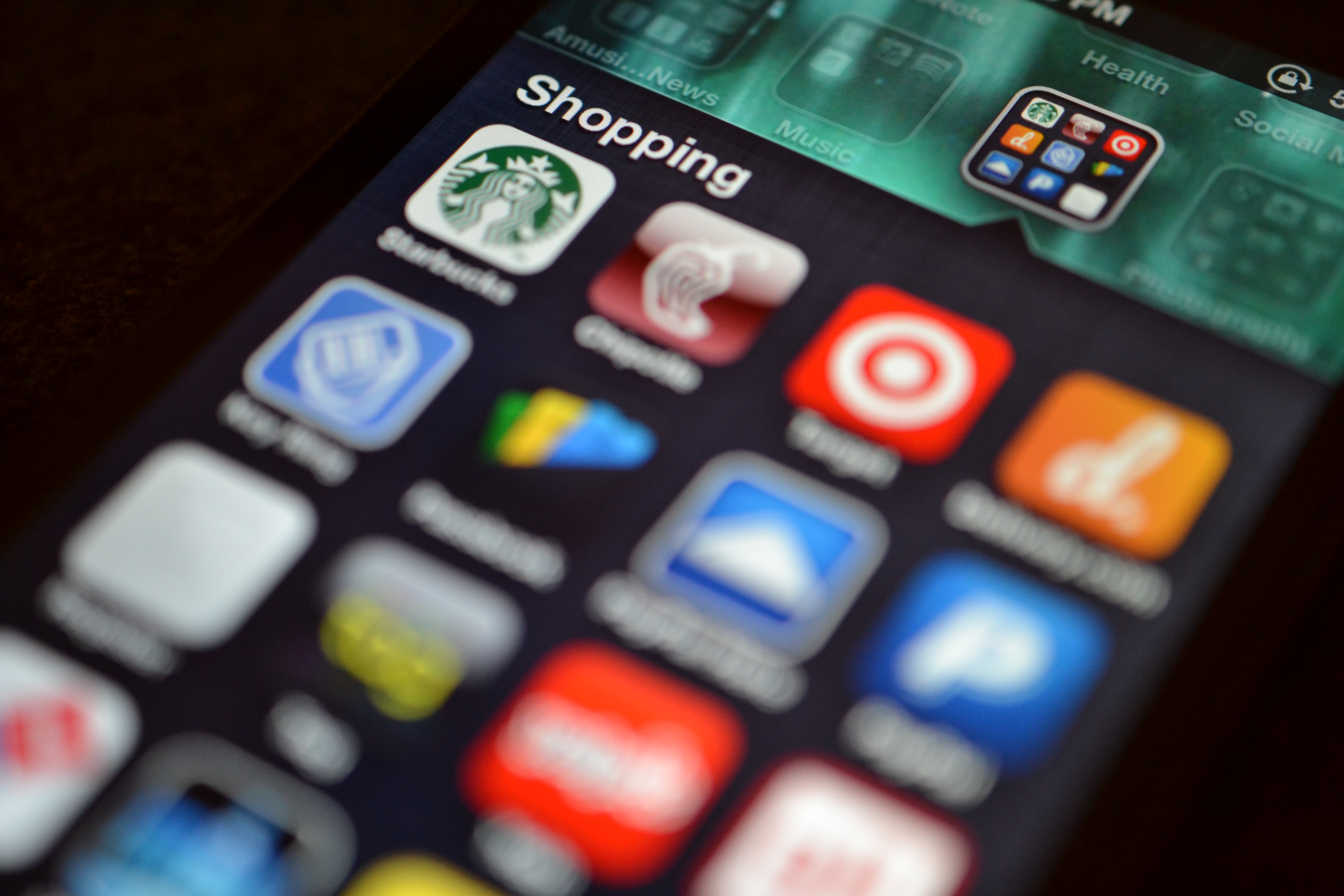
Gamifying the Mobile Shopping Experience with Biddl

The latest innovation in the mobile shopping space is Biddl, a U.S.-only smartphone application that hopes to make the experience more entertaining and visually appealing by “combining mobile game mechanics and gamification with easy-to-use shopping features…” according to PRNewswire. Developed and released by Biddl Inc. for both iPhone/iPad and Android platforms on October 14, 2015, Biddl invites users to compete for high-end branded items.

Read More

Exploring Travel Experiences with Shangri-La Hotel’s Love Journey

In 2010, Chinese e-commerce behemoth Ali-Baba decided to take steps to increase sales in the period between the October Golden Week holiday and Christmas. Ali-Baba knew that November 11 was already viewed as “singles day” and had been a special shopping day since the 1990s, presumably because the two “elevens” in the date roughly translated into “only one” and appeared to be “bare sticks” or singles. Single-handedly, Ali-Baba turned November 11 into the world’s biggest online shopping day, easily eclipsing the sales revenues generated by Black Friday and Cyber Monday, traditionally the biggest shopping days in the West.

Read More