



3 Games in education Examples For the Classroom

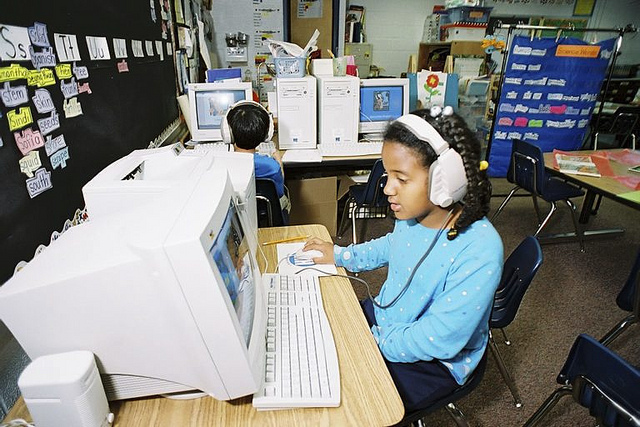
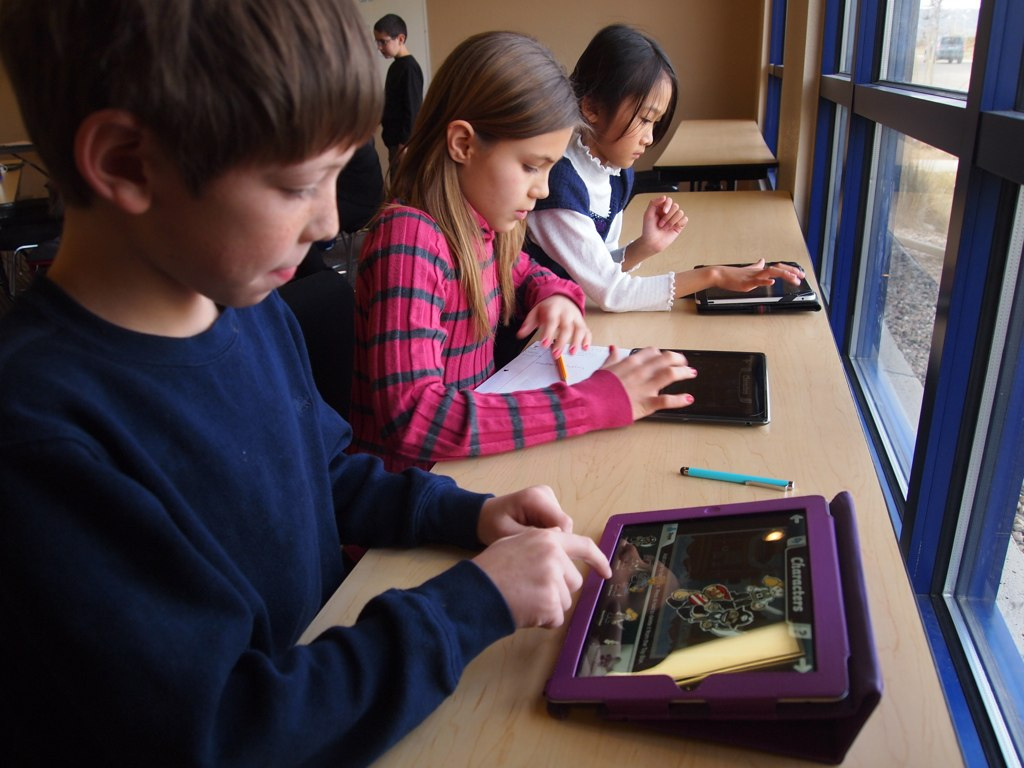
Looking at games in education for the classroom, as a teacher you might wonder if it is right for you. So let’s see if we can’t answer that question, shall we? Every child learns differently. This is a fact. Some children learn from reading a book. Some children learn from hands on experiences. Yes, some children even learn from playing video games. In fact, history teaches us that most children do.

Read More

Exploring Career Options with NCSU’s Gamified Course

For some college students, the hardest academic choice they need to make is selecting a major. The difficulty is compounded by their awareness that what they study in college has a strong bearing on what they will do for their career. North Carolina State University has turned to gamification to help students with these choices. By making a game part of the education process, university officials say that they can help students make more informed choices about their college studies and their future careers.

Read More

Applying Games in Education As Learning Models

With recent incentive from President Obama, games in education are taking off anew. According to a recent article from Gamespot, the president has just initiated a $4-million plan called “Computer Science for Everyone” which may look toward game models as a learning method. To quote Whitehouse Deputy Director Tom Kalil, “Certainly video games are an entry point for some young people. The reason why some kids might get interested in computer science is because they like to play them, but they also want to make them.”

Read More

Engaging Collegiate Community with Gamified app U of Nine

Game based training has caught the interest of colleges across the country. The different ways in which gamification could be implemented on campuses has not gone unnoticed. In a recent PRNewswire article, some gamification companies are meeting the new demand. According to the article an organization called ATIXA (Association of Title IX Administrators) is working in conjunction with an educational quiz based training company called Trivie to create some very useful resources for colleges.

Read More

Improving Your Business English With Wall Street Journal’s Newsmart

On the theory that the best way to learn “business” English is by reading the Wall Street Journal and other publications of Dow Jones & Co., the WSJ has launched an online video-driven educational program called Newsmart. A subscription based service, Newsmart proposes to use game based learning to teach business English to non-English speakers by exposing them to actual WSJ articles and videos drawn from the general areas of business, finance and technology news. Once the learner has read or viewed the media, she is guided through an array of exercises intended to test comprehension and to both teach and improve vocabulary and grammar. A beginning user is also offered the opportunity to self-test on a TOEFL interface presumably to assist the student in determining the proper entrance level.

Read More

Developing Literacy Skills with Video Games in Education

Games in education are nothing new. Because of their strategic nature that they share with subjects such as math, reading and writing, games have been used in the K-12 curriculums for decades. What is new is the use of a specific type of game for these subjects: the video game. This is especially the case with language arts. Like comic books, video games (including computer or PC games) in language arts curriculum have been controversial over whether they’re appropriate learning tools. This is because of the violent and seemingly trivial subject matter that video games have been stereotyped with. Besides this, its very graphic nature, moving pictures, has connoted the video game to be as mind-numbing as television has typically been made to seem. Like TV, the video game has been turned into an enemy of the traditionally more academic medium: the book. But these stereotypes are being broken more and more each day. Video games are showing capability of teaching the necessary literacy skills kids need to survive both in their studies and in the workplace later in life.

Read More

Applying Games in Education to Teach STEM

It’s the scene of a crime, set in some indeterminate time in the future. Forensic experts, computer experts, and scientists fill the scene. You are one of them. Your job is to gather clues and recover data from a top-secret research project that somehow goes wrong. It sounds like the plot of a movie. But in fact, it’s a game called Max5 and it’s another example of games being used in education, this time, for teaching science, technology, engineering, and mathemetics – the so-called “STEM” fields.

Read More

Educating with WoW and Minecraft with Lucas Gillispie

The Gamification Revolution is the only live gamification webcast featuring Gabe Zichermann and fellow gamification experts every week. Join us and have all of your gamification questions answered by these experts.

This past week’s guest was Lucas Gillispie, educator and creator of Edurealms — a site dedicated to providing educational materials that make use of games like World of Warcraft and Minecraft. Check out the full video to learn about Lucas’ insights on using games in the classroom and some of the challenges he faces.

Be sure to catch tomorrow’s episode at 1PM EDT with Gabe for another gamification design QnA on the Gamification Revolution

Read More