


Gamifying Asthma Inhalers For Kids with Gecko Health

As the delivery of health care becomes more digitized, it’s no surprise that medical devices that historically had no electronic components are now available with digital capabilities. An attachment to an inhaler, for example, brings the ability to track doses. But the challenge for any medication continues to be getting patients, particularly children, to use these products when they’re supposed to and just as they’re prescribed. One medical device developer is overcoming that problem by bringing games into the delivery of health care.

Read More

Study Reveals Game Based Training Impact on Weight Loss

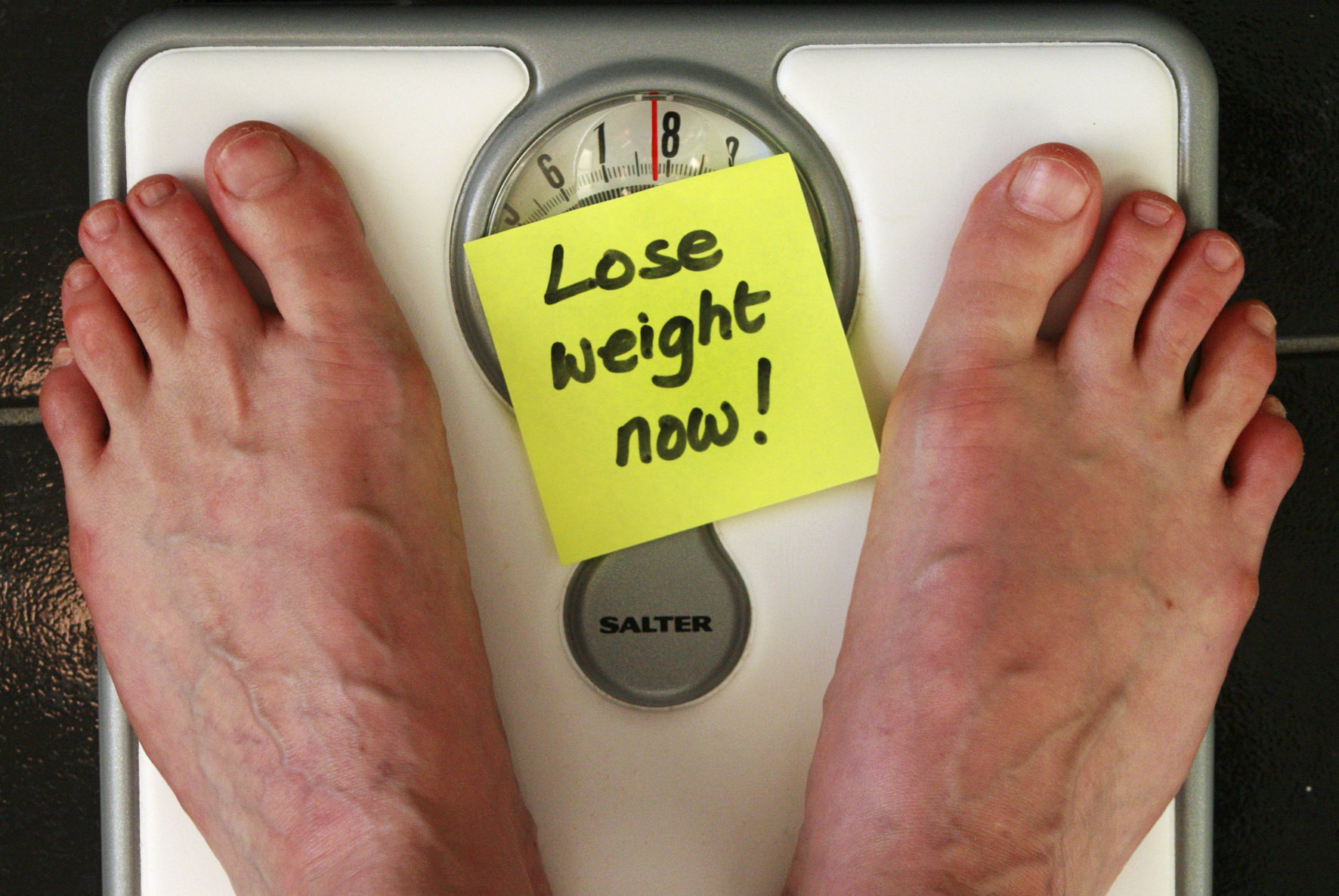
Anyone with a sweet tooth knows exactly how difficult it is to resist unhealthy foods that taste great. Countless diet programs have been established over the years to try to train people to choose healthier foods and avoid empty calories that pack on the pounds. However, the secret ingredient diet plans may be missing is game based training that has shown promising real-world results that lead to additional weight loss.

Read More

My Health, My Choice: Enlightening The Impact of Healthcare Cost

It’s hard to go a day without hearing news about the rising cost of health care. Prescription drugs are getting more expensive and health insurance rates are on an annual march upward. By and large, patients have little understanding about the financial pressures that are behind those costs. One company is taking a new approach to try to improve the public’s understanding of health care costs. Astellas Pharmaceuticals has turned the delicate balance of cost management into a game called My Health, My Choice.

Read More

AssessMs: Diagnosing Multiple Sclerosis with Microsoft’s Kinect

When Microsoft introduced its Kinect motion-sensing camera, the technology brought a new element to console gaming. Kinect tracks and captures a player’s movements, then translates them into the play of a game. Now a large pharmaceutical company is partnering with Microsoft to apply that technology for a therapeutic purpose. In a new application of games in health care, Novartis is betting that the Kinect technology can be used to track the progress of multiple sclerosis, and in turn, play a role in developing new treatments for the disease.

Read More

Video Games Research Turns Into Physical Therapy for Stroke Patients

There are two schools of thought on the best way to help regain the muscle movement and dexterity lost by those who suffer a stroke. Some people believe that patients should not move at all unless in the presence of a physical therapist, according to David Putrino, director of telemedicine and virtual rehabilitation at the Burke Medical Research Institute. But the other, diametrically opposite view, holds that a stroke patient should move as much as possible. Putrino subscribes to the latter view and he found medical evidence to support that position. Dabbling with games in health care, he developed a video game with applications in physical therapy for stroke patients.

Read More

Detecting ADHD Early with CogCubed’s Groundskeeper

ADHD is one of those medical issues that come into the limelight more often than not for those diagnosed with the condition being over medicated, or receiving false diagnosis. ADHD is however a true problem for all ages of people, and in most cases it is both hard to treat as well as diagnose. Games in health are improving the experiences of consumers, and developers at CogCubed are working for those that suffer from ADHD.

Read More
Zamzee

Boosting Children’s Physical Wellbeing with Zamzee

Health care experts warn that child obesity rates are rising to alarming levels. With the increase in obesity-related medical conditions, such as diabetes, it’s no wonder that parents and health professionals alike are looking for ways to keep children healthy. A good diet is one part of the equation. But an equally important part of child health is physical activity. Gamification startup HopeLab developed a technological way to keep kids on the move while tracking this activity at the same time. The company’s gamification software is called Zamzee.

Read More

A Brief Overview of Gamification in Healthcare

Use of games in healthcare has become a focus among startup companies, largely concentrating on combining self-monitoring with games. The question remains if these new gamification products can lead to sustainable modification in healthcare behavior, especially among those who need it most. Gamification developers want to focus on the self-management of chronic conditions. Healthcare providers want to offer games to their clients, but privacy restrictions have added some legal an ethical wrinkles in the area of health care gaming design. Privacy restrictions are making it difficult to design healthcare feedback competitive gaming designs for those who would most benefit from them.

Read More

Gamifying Sexual Health with OhMiBod’s Lovelife Krush

The smart people at OhMiBod may have ushered in a serious game revolution with the release of their new wearable device, Lovelife Krush. “It’s the gamification of sexual health,” declared OhMiBod’s co-founder, Brian Dunham, to CNBC’s Chris Morris as they discussed his product fetching one of Engadget’s top honors at this year’s Consumer Electronics Show (CES). This top honor certainly helps OhMiBod efforts to launch their new device into a Sexual Wellness market currently worth $16 Billion and forecasted, by research firm Technavio, to reach $21 Billion by 2019.

Read More