Play the Activity Alliteration Game to Increase Productivity

How do you make yourself do the things you don’t want to do?

Can you imagine how much less guilt, stress, and frustration you would feel if you could somehow make yourself do the things you don’t want to do when you’re supposed to do them?

I feel your pain. Often, when I am on a speaking tour or designing curriculum, it is easy for me to get so focused on that project, instead of doing other important tasks that will help me grow my business. I put the long-term activity on the back burner.

The result? Empty calendar dates, a website that hasn’t been updated in months, unwritten blog articles, and a net zero new connections made.

That’s why I turned procrastination into a game – and it actually becomes not only challenging, but FUN to accomplish those things that would otherwise be put off. Now I look forward to focusing on and growing my business every day of the week. It goes like this…

Read More
interval training for productivity

Consider the Interval-Training Design to Boost Productivity

The fitness and weight-loss world is being revolutionized by the popular concept of interval training – the concept is as simple as it is effective: alternating bursts of intense activity with intervals of lighter activity instead of steady-state pacing throughout the exercise.

Take walking for example. If you’re in good shape, you might incorporate short bursts of jogging into your regular brisk walks. If you’re less fit, you might alternate leisurely walking with periods of faster walking. Gradually increasing the intensity of your workouts as you physically and mentally adapt to your routine.

Interval training improves your aerobic capacity, strength and endurance; even more importantly, it keeps boredom at bay and makes working out achievable so that you stay motivated to keep your routine up.

Couldn’t we also apply this model to our gamification design for a similar effect on workplace productivity?

Read More
game mechanics

Focus on the Game Mechanics, Not the Game

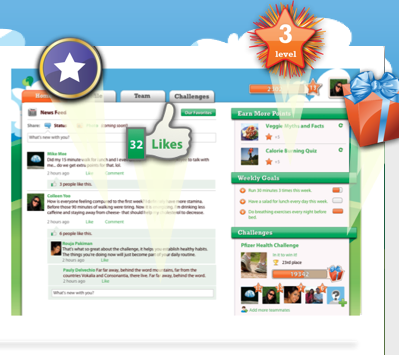
While games are an important and fun aspect of gamification, the main focus of gamification should not be the games, but rather the game mechanics. Game mechanics are what makes gamification so motivating and flexible; depending on the goal for implementing gamification, the games may vary considerably, but the most basic game mechanics will have the same purpose: to engage the user. Because of this, when companies evaluate the impact of gamification, they should not be focused on how many points the user achieved or whether or not they won the game, but rather on the increase or decrease in their productivity after the installment of game mechanics.

Read More

GCo’s Picks: How Microsoft’s Ross Smith Redefines Productivity with Games

GamificationCo has asked some its editors for their top sessions picks for GSummit SF 2013. Here is Sudarshan Gopaladesikan’s most anticipated session for GSummit:

I love risk-taking. As a junior in college, I have the notion that the workforce won’t allow me to take any risks because safe, but sure investments/ideas are less unpredictable to a company’s profits. Looking through the sessions at GSummit (all of them are great!), Ross Smith–Director of Test at Microsoft–will be speaking on how trust among colleagues can foster individual innovation, productivity, and risk-taking.

Read More

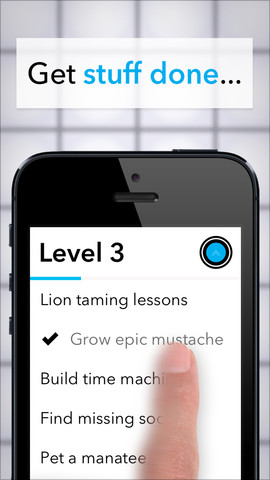
Carrot App Review: A Gamified Snarky To-Do List? Ain’t No Businessperson Got Time For That!

When a colleague had heard about a new to-do list app called Carrot, it somehow made its way immediately to my desk. After several months into my job at Gamification Co I was juggling so many different responsibilities that I found it hard to organize my time, so I began reading books and collecting apps dedicated to all things GSD (Getting Shit Done). Eventually I will have to find time to organize all my organizational tools.

The reason I decided to add Carrot to my catalog is because it’s a To-Do list infused with gamification elements. You get points for each task you complete and a red status bar letting you know how far along you are, and how far you have to go before you can level up and collect a reward – so far a humorous fortunte cookieqsue statement you’re asked to share socially.

Read More

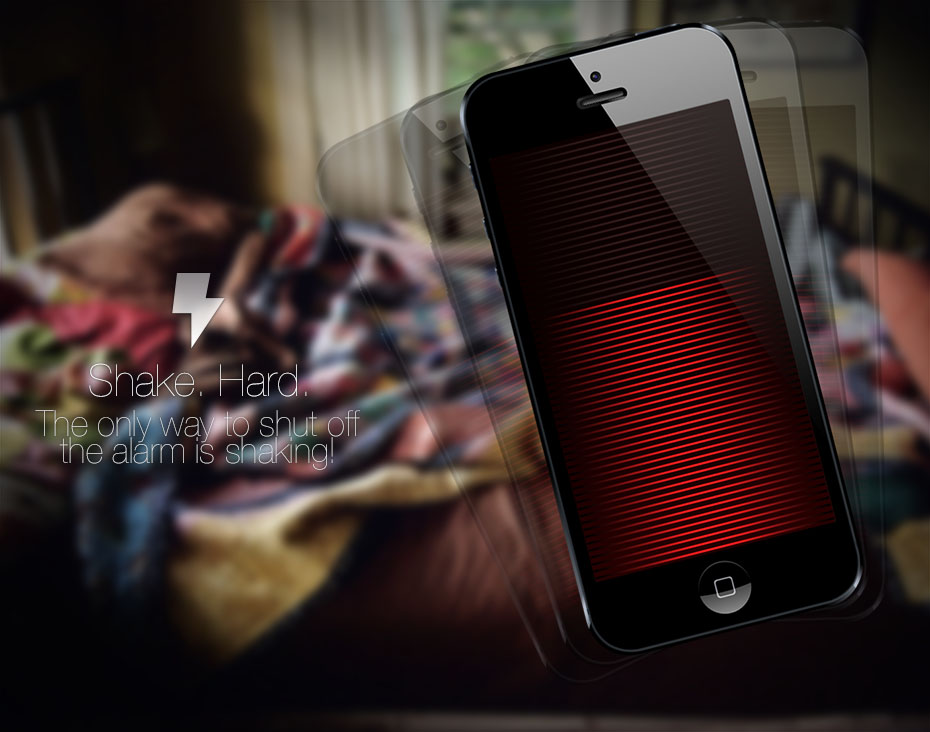
Gamify Your Morning Snooze with Wake N Shake

Do you play endless mind games as you hit snooze on the alarm clock each morning? My rule of thumb is to never snooze more than three-times before a certain hour in the morning in order to give myself a “mission” to accomplish. However, a newly redesigned alarm app called Wake N Shake actually turns that morning snooze-fest into a gamified and social experience.

Wake N Shake was originally designed to be a “merciless” alarm application that forced you to shake your phone like a madman before it shuts off. Its new version now includes daily leaderboards and achievements to make the experience of daily phone shaking a little more interesting.

Read More

Play More, Work More

Gamification of the enterprise focuses on how autonomy and fun can lead to more productive work. An article from last week’s Wall Street Journal provides support for this idea with insight into the benefits of web surfing in the office. The new study on the “Impact of Cyberloafing on Psychological Engagement,” by Don J.Q. Chen and…

Read More