


GCo’s Picks: Games for Training Skills at GSummit 2013

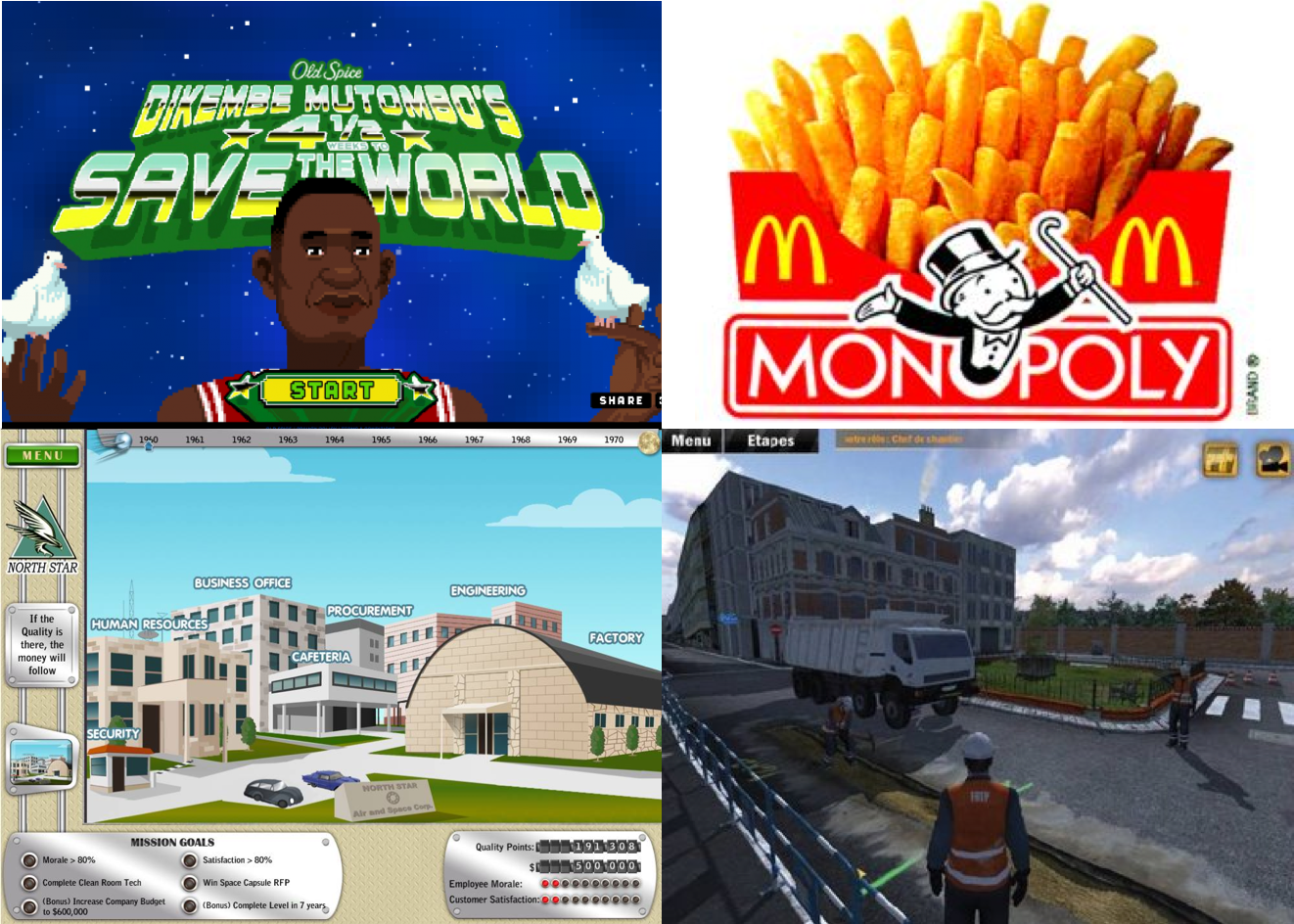
Adobe and Delta Air Lines both use gamification to drive engagement with their products, which in turn produces a kind of learning and subsequent new behavior for the engaged users. Learning is taking place in this regard but Adobe and Delta have managed to use gamification for an even higher level of learning.

Rather than creating general classes for learning, Adobe and Delta have successfully been able to use games to train people for tasks they want to accomplish and they will both be represented at GSummit 2013 to discuss their training games.

Read More

University Game Labs Emerging to Enhance Community Learning

To think, there are still people who say gaming isn’t good for education; try saying that to universities with game labs.

Gamification is a powerful tool that can make the educational experience not only more fun, but more effective as well. Because of the increasing number of successful game labs, more universities are looking to tap into the power of games to reap the rewards from social and interactive learning.

Read More

Designing Gamification for Modern Enterprise with Mario Herger

The Gamification Revolution is the only live gamification webcast featuring Gabe Zichermann and fellow gamification experts every week. Join us and have all of your gamification questions answered by these experts.

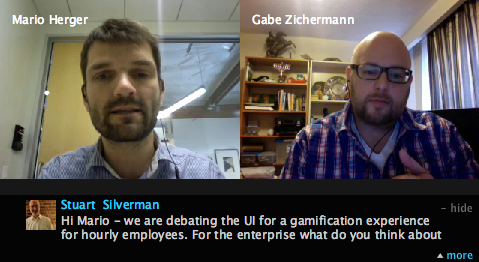
This past week’s guest was SAP Senior Innovation Strategist, Mario Herger. In this week’s episode, Gabe and Mario discuss the challenges involved with designing gamification for employees in a corporate environment, especially when they’re forced to use it.

Check out the video below for the full interview.


Download this episode (right click and save)
You can now catch the Gamification Revolution every Thursday at 1PM EST/10 AM PST/1800 GMT.

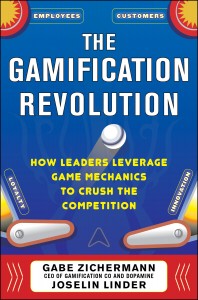
Be sure to catch a special episode tomorrow at 1PM EST with Gabe Zichermann as he discusses the release of his newest book also titled The Gamification Revolution

Read More

Bitcoin: The First Universal Loyalty Program Currency

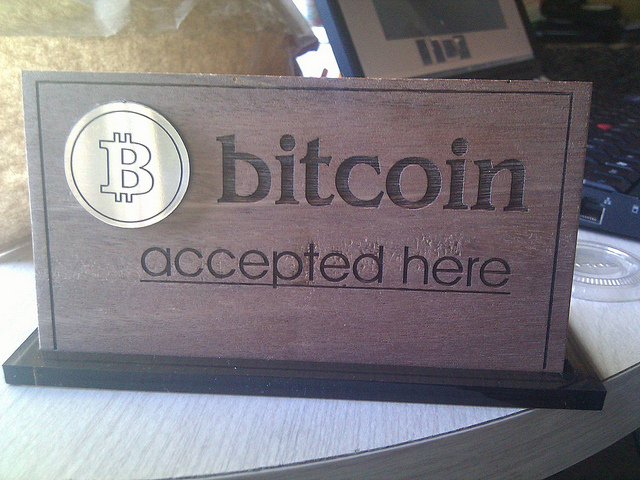
Bitcoin — the buzzy virtual currency that’s focused on privacy — continues to gain major traction. For some time you’ve been able to pay for games (or a hitman), invest your earnings and speculate on Bitcoins. In recent days, it’s become possible to use the world’s first Bitcoin ATM and pay your employees in Bitcoins. In short, Bitcoin is angling to be the first broadly accepted virtual currency not issued by a nation-state.

Read More

Market Ripe for Health and Wellness Gamification Startups

A new study shows that employers are increasingly relying on gamification to increase employee health engagement. According to Buck Constultants, 62% of employers consider gamification the most effective strategy in encouraging employees to improve their health and at least 31% will adopt at least one new health-related gamification strategy in the coming year.

As healthcare costs continue to rise, employers are facing new pressure to encourage employees to be proactive about their health. While there is still insufficient data to determine whether employee health incentive programs are actually saving companies money, it seems that most businesses are not waiting to find out.

Read More

Moving Beyond Points and Badges: Gamification 2.0

The technology and business world has been abuzz with a new term– gamification, defined as the use of game elements in everyday scenarios in order to drive engagement and make work more interesting. This has been seen by some as a game changer (pun unintended) to make boring tasks fun & drive motivation, while others see it as a modern and web friendly extension of the ubiquitous reward and recognition techniques already being used by companies in some form or another.

But the question is, is it always going to be just about points and badges? The answer has to be an emphatic no. While points and badges have served admirably in terms of providing social recognition and motivation to millions of users already, their novelty is rubbing off, and incremental gains are dropping alarmingly.

Read More

Where Does Gambling Fit in Gamification: Legal Issues and a Success Story

Gamblification is the intersection of social gaming and gambling. Many casino and card games make use of a human’s gambling instincts to lure people into deep engagement. Although real money is used to purchase chips to be used in these games, the chips are not redeemable for money. However, some social games provide venues where in-system virtual currencies can be exchanged or raffled for virtual goods. Some systems such as Virgin Gaming allow console players (PS3, XBOX) to wager real money against others for big cash prizes. But It doesn’t end there.

Read More

The Gamification Revolution Starts Today with Gabe Zichermann’s Newest Book

When my first book, Game-Based Marketing was being picked up by its publisher in 2009, I tried to convince them that the right concept was a business strategy title. The original idea was called The Serious Business of Games, and was meant to look at a wide range of ways that games intersected with industry. As a result of the global financial crisis and the unproven nature of the discussion, they wanted something more focused. Of course, this was before the term gamification had come into common use and before the rise of Foursquare or Zynga. In short, the idea that combining game design with business could be a strategy was a little ahead of its time.

That time has come.

Read More

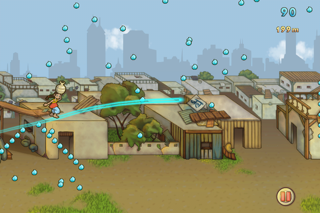
Mobile Game Get Water Teaches About Water Scarcity with Good Gameplay and Narrative

There are games that try to create a message while still attempting to remain enjoyable. Many times either the message becomes blurred or the game simply isn’t fun. Get Water manages to hit both marks properly.

Get Water by Decode Global is a simple screen-swiping endless running game about a young girl named Maya who is dragged out of class to obtain water while fending off various animals in her way. Many swiping games such as this have little-to-no story or purpose — they’re just casual games to play when waiting at the doctor or in between classes. Get Water has strong messages about water scarcity, gender inequality, and educational problems that plague other countries.

Read More

GSummit 2012 Behind the Scenes: Jon Guerrera on Engaging Audiences

(14/26 Gamification Expert Interviews Unlocked)

Every week until GSummit SF 2013, we’ll be unlocking some special content from last year to give you a preview on what to expect this April 16 – 18.

Jon Guerrera, lifehacker and frequent GCo contributor, explains the importance of understanding your audience to engage them with gamification.

To see more expert gamification videos, visit our Video page or Subscribe to our YouTube channel! Learn the latest in gamification by going to GSummit SF 2013. Register today!

Image by MridulRaj

Read More

PricewaterhouseCoopers joins GSummit as a Sponsor

As the market for gamification matures, there are a number of significant changes in store for our nascent industry. Chief among those is the increased attention from bellwether companies that signal broadening support for our view of increased engagement through great design.

One of the most sought-after categories is consultancies, particularly the large management/strategy agencies. Their participation in our community is an essential step in getting major enterprises (e.g. Fortune 1000s), governments and large NGOs to see gamification and engagement science as a core part of their strategy.

Read More

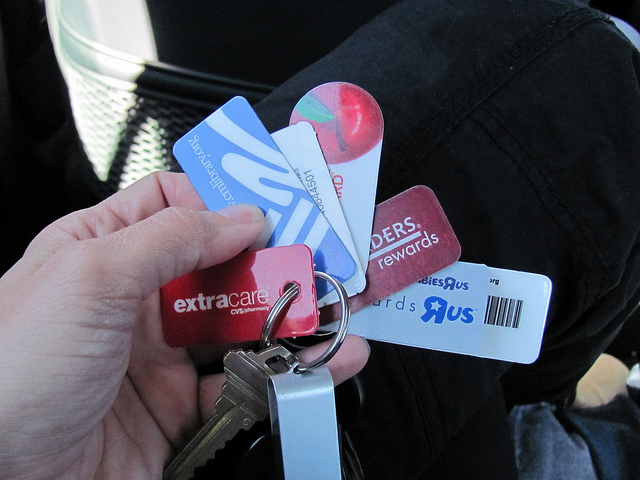
6 Steps to Successful Loyalty Programs that Win

Reward programs are nothing new. They all work under the simple premise of “more you do business with us, the more we will recognize your loyalty in the form of discounts and/or prizes.” For example, airlines give out frequent flyer miles that can be redeemed for free trips depending on how many times you have flown with that certain airline. Rewards program extend to any and all retail, from airlines to Starbucks to your local gelato store. However, did you know that in 2011, it was reported that Americans accumulated $48 billion dollars on loyalty programs. What’s worse, $16 billion of that $48 billion went unredeemed. Would you ever want to throw away a third of your money?

Read More