



Heong Weng Mak

Study Reveals Game Based Training Impact on Weight Loss

Anyone with a sweet tooth knows exactly how difficult it is to resist unhealthy foods that taste great. Countless diet programs have been established over the years to try to train people to choose healthier foods and avoid empty calories that pack on the pounds. However, the secret ingredient diet plans may be missing is game based training that has shown promising real-world results that lead to additional weight loss.

Read More

Shifting Commuting Habits with BART’s Experimental Loyalty Program

Anyone who takes the subway on a daily rush hour commute understands the experience of being jostled on crowded platforms and crushed inside packed trains. Now one transit system is trying a novel approach to easing the commuting crunch. The San Francisco Bay Area’s BART system is rolling out an experimental customer loyalty program that aims to entice riders to shift their travel outside of peak commute times.

Read More

My Health, My Choice: Enlightening The Impact of Healthcare Cost

It’s hard to go a day without hearing news about the rising cost of health care. Prescription drugs are getting more expensive and health insurance rates are on an annual march upward. By and large, patients have little understanding about the financial pressures that are behind those costs. One company is taking a new approach to try to improve the public’s understanding of health care costs. Astellas Pharmaceuticals has turned the delicate balance of cost management into a game called My Health, My Choice.

Read More

AlphaGo Makes Artificial Intelligence a “Go”

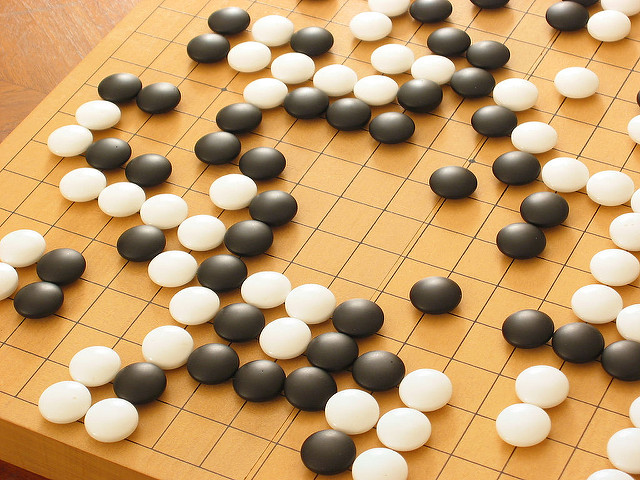
Using Gamified Software to Make Artificial Intelligence a Reality Software that incorporates game-based training has made great strides in helping people improve their performance. It turns out that software can learn, too. A novel software program developed by a division of Google has finally beaten a human at a board game, which marks a breakthrough that carries implications…

Read More

AssessMs: Diagnosing Multiple Sclerosis with Microsoft’s Kinect

When Microsoft introduced its Kinect motion-sensing camera, the technology brought a new element to console gaming. Kinect tracks and captures a player’s movements, then translates them into the play of a game. Now a large pharmaceutical company is partnering with Microsoft to apply that technology for a therapeutic purpose. In a new application of games in health care, Novartis is betting that the Kinect technology can be used to track the progress of multiple sclerosis, and in turn, play a role in developing new treatments for the disease.

Read More

3 Games in education Examples For the Classroom

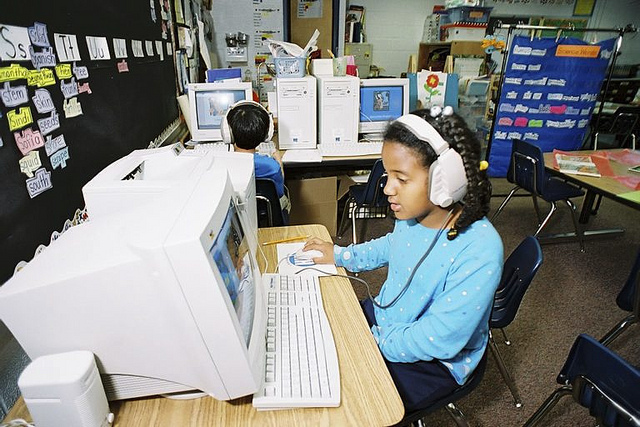
Looking at games in education for the classroom, as a teacher you might wonder if it is right for you. So let’s see if we can’t answer that question, shall we? Every child learns differently. This is a fact. Some children learn from reading a book. Some children learn from hands on experiences. Yes, some children even learn from playing video games. In fact, history teaches us that most children do.

Read More

Video Games Research Turns Into Physical Therapy for Stroke Patients

There are two schools of thought on the best way to help regain the muscle movement and dexterity lost by those who suffer a stroke. Some people believe that patients should not move at all unless in the presence of a physical therapist, according to David Putrino, director of telemedicine and virtual rehabilitation at the Burke Medical Research Institute. But the other, diametrically opposite view, holds that a stroke patient should move as much as possible. Putrino subscribes to the latter view and he found medical evidence to support that position. Dabbling with games in health care, he developed a video game with applications in physical therapy for stroke patients.

Read More