Gamify Vision Screening Process with EyeSpy 20/20

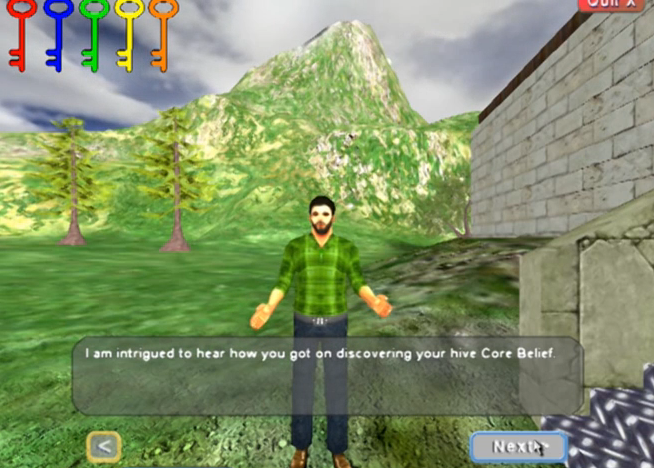
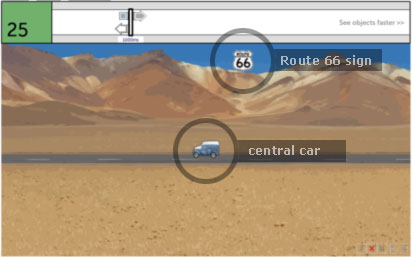
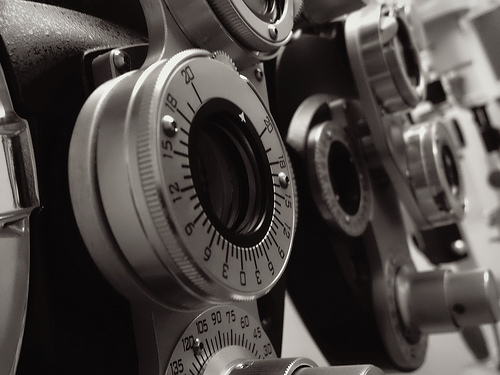
In order to detect vision disorders among students, schools have long relied on the venerable 150 year old wall chart to conduct vision screening. However, conducting wall chart examinations are not completely fool proof as students find various ways to game the process. Here is where a gamified vision testing system designed by nonprofit organization VisionQuest 20/20 may prove to be the solution.

Read More
dementia simulator in austrailia

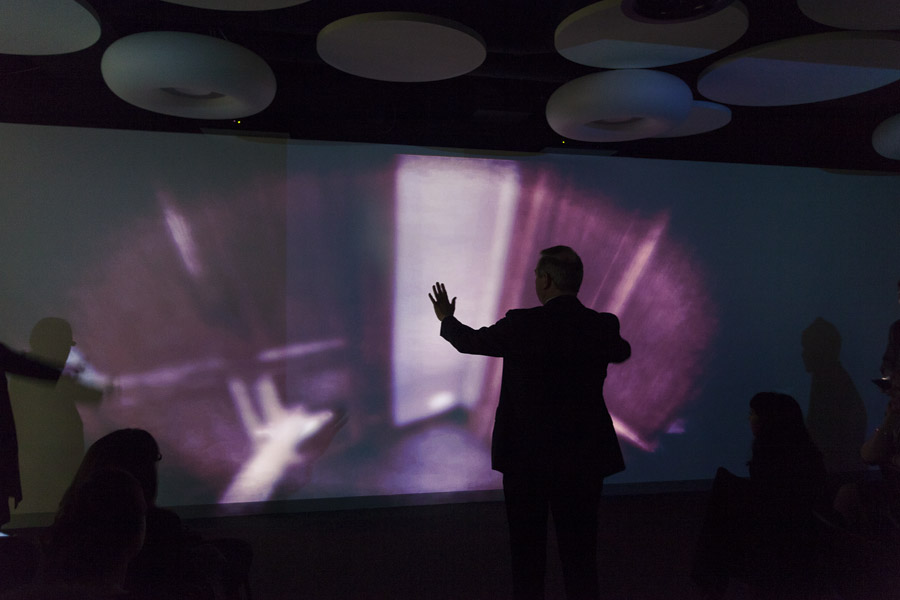
New Australian Facility is Teaching Dementia-Care By Simulating It

Alzheimer’s Australia Vic has opened up Australia’s first dementia learning center to educate people about the effects of dementia through virtual-reality simulations, according to Australian Ageing Agenda.

The simulation’s primary goal is allow students to envision the cognitive and perceptual difficulties that dementia sufferers deal with in their daily life routines.

Read More
calm

Calm: A Meditation App That Does Feedback Right

One of the most elemental concepts in good gamification design is what I call the three Fs: Feedback, Friends and Fun. They come in many forms, but together they form the foundational structure of how we create engagement. I’ve written and spoken about the three Fs at length, but I find myself spending a lot of time thinking about and designing effective feedback systems.  I also love to meditate.

At the intersection of both of these interests is the excellent and visually gorgeous app, Calm. It’s a guided meditation app for iOS that’s received a number of accolades for its simple design and great programming. The premise of guided meditations it that an instructor’s voice (and soothing music) help you relax, focus and create productive, healing brain states.

Read More
interval training for productivity

Consider the Interval-Training Design to Boost Productivity

The fitness and weight-loss world is being revolutionized by the popular concept of interval training – the concept is as simple as it is effective: alternating bursts of intense activity with intervals of lighter activity instead of steady-state pacing throughout the exercise.

Take walking for example. If you’re in good shape, you might incorporate short bursts of jogging into your regular brisk walks. If you’re less fit, you might alternate leisurely walking with periods of faster walking. Gradually increasing the intensity of your workouts as you physically and mentally adapt to your routine.

Interval training improves your aerobic capacity, strength and endurance; even more importantly, it keeps boredom at bay and makes working out achievable so that you stay motivated to keep your routine up.

Couldn’t we also apply this model to our gamification design for a similar effect on workplace productivity?
Read More

gNats Island Helps Therapists Communicate with Patients through Virtual Exploration

A well-designed gamification system will often consider the player types of the audience that will be using it and seek to engage people based off what intrinsically and extrinsically motivates them.

While there are various gamified health systems out there, none of them have really looked towards engaging the the explorer-type like gNats Island — a game designed to help therapists communicate with mentally-challenged adolescents by exploring a virtual world alongside with them.

Read More
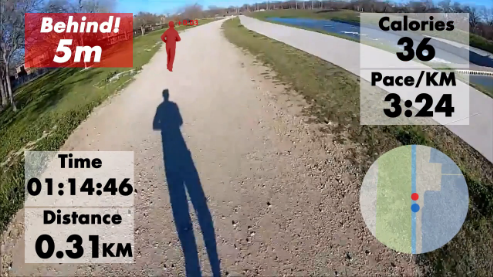
Blue Goji

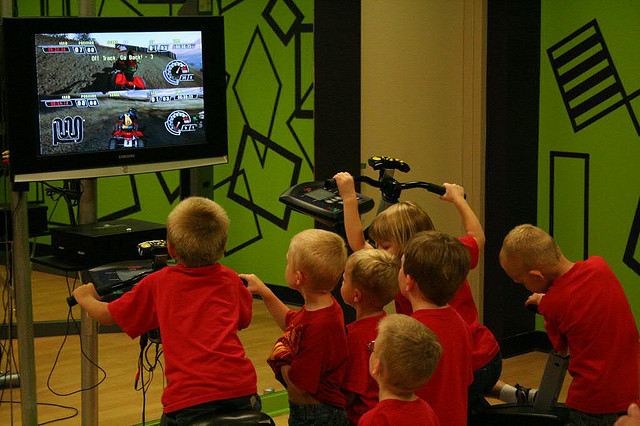
The Creators of Guitar Hero Want to Make Your Treadmill Less Boring

Even if you deny your participation with the plastic instrument fad with Guitar Hero and Rock Band in the late 2000’s, everybody had a taste of how awesome it was to be a fake rockstar. The toy instruments sure didn’t make anyone into a musician but what if these same mechanics actually helped you run or bike more? That’s a much more feasible prospect to accomplish.

Guitar Hero co-creators Kai and Charles Huang have been quietly working on a series of game accessories that could be used on bikes, treadmills, and ellipticals in their new venture called Blue Goji.

Read More
keas-mark-koerner

How Keas is Engaging Employees with Wellness and Gamification

The Gamification Revolution is the only live gamification webcast featuring Gabe Zichermann and fellow gamification experts every week. Join us and have all of your gamification questions answered by these experts. This past week’s guest was Mark Koerner, VP of Product at employee wellness platform Keas.

Gabe and Mark go through some of the features of Keas and discuss how organizations can improve their internal processes by engaging with employee health. Learn about the intricacies of data privacy, the metrics for success, and Keas’ general approach of gamification for health in the video below:


Download this episode (right click and save)

Read More

Washing Your Hands Has Never Been (This) Fun

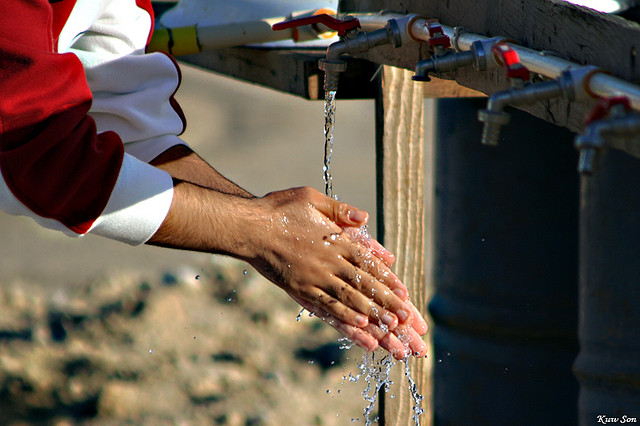
The New York Times recently wrote an interesting piece about the importance of hand-washing in hospitals. It turns out that only 30% of medical professionals wash their hands appropriately, leading to billions of dollars in downstream costs from readmissions, malpractice and secondary infections. While the exact reasons for poor adherence are the subject of speculation, a number of companies have jumped into the fray to try and solve the problem. Their solutions often rest heavily on gamification.

Read More

Are Brain Waves the Next Step for The Quantified Self?

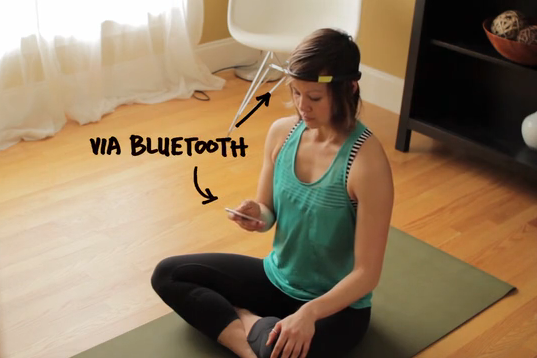
Activity trackers have become very popular among fitness enthusiasts, quantified-selfers, and gadget fans but are they making any sort of difference? I had mixed feelings about the Nike Fuelband when I reviewed it a year ago and Wired thinks it isn’t making you any healthier either. But maybe these glorified bluetooth accelerometers are missing a crucial feature: brainwave monitoring

Read More

The Road Show Puzzle Game Improves Coginition Speed For Seniors

Games always don’t need the flashy graphics paired with capturing audio to make it engaging. Clear objectives and a desire to compete against the self is another effective method for improving skills through a game. According to Mashable, Researchers at the University of Iowa have shown this through their recent success through Road Show, a visual puzzle game aimed at improving senior citizen cognition.

Read More

Improve Cancer Treatment with the Re-Mission 2 FPS Game

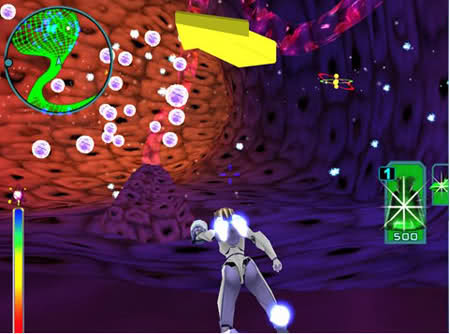
Kids like using video games to fight bad guys. Now Re-Mission 2, a new release from the nonprofit company HopeLab, is helping kids do something much more important: fight cancer.

Re-Mission 2 is a follow-up to HopeLab’s highly acclaimed first-person shooter, Re-Mission. Re-Mission 2 is made up of a suite of 6 games modeled after more casual, addictive games like Angry Birds or Bejeweled. Designed to be played on computers or smartphones, each free game depicts different ways of fighting or treating cancer.

Read More

McGill University Doctors Used Tetris to Treat Lazy Eye

It’s funny – I’ve always thought that Tetris is the reason for some gamers having OCD and great organizational skills. Turns out that Tetris can fix lazy eye.

To go along with a trend in using video games to improve the health of players as seen in aiding senior citizen health and increasing multitasking abilities, doctors are now using Tetris to treat patients with lazy eyes. Featured in Current Biology, a team at McGill University found that Tetris worked better than the usual method of patching the good eye to force the weak eye to work on its own.

Read More